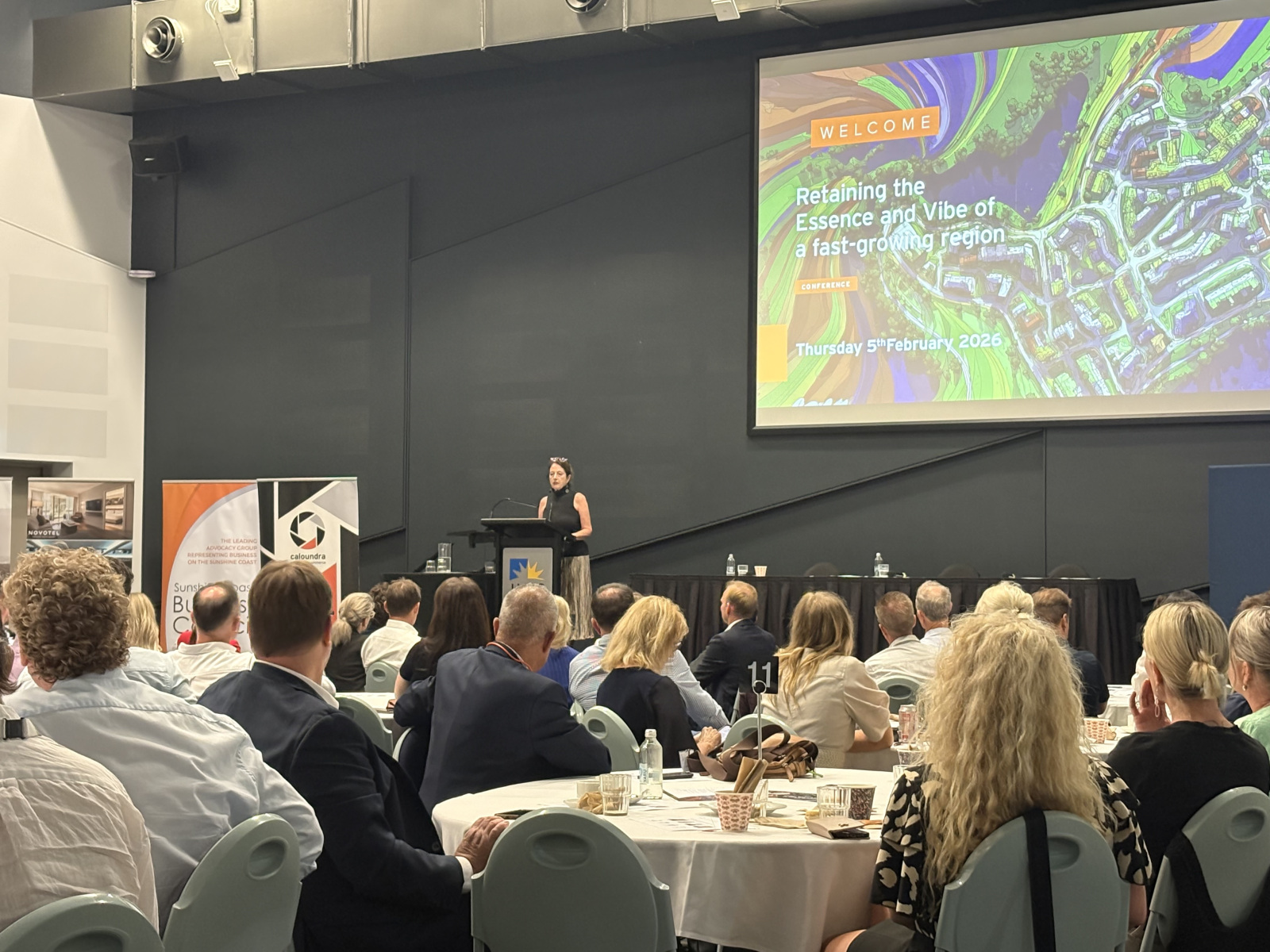

As one of Australia’s fastest growing regions, the Sunshine Coast is at a critical juncture ‒ balancing rapid population growth with protecting the region’s character, liveability and identity.
According to Sunshine Coast Council, the region’s population has grown by more than 80,000 people over the past decade, a trend that shows no sign of slowing. With around 8,000 new residents expected to arrive each year, the Sunshine Coast is projected to grow from 346,648 residents in 2021 to more than 500,000 people by 2041.
Against this backdrop, the Sunshine Coast Business Council (SCBC) hosted a conference examining how the region can retain its ‘essence and vibe’ while responding to unprecedented growth and development pressures.
The conference brought together some of Australia’s most respected strategic thinkers in urban planning and city shaping. Drawing on national and international experience, speakers shared insights into how governments, communities and investors have successfully navigated similar challenges ‒ ensuring growth enhances, rather than erodes, character and liveability.
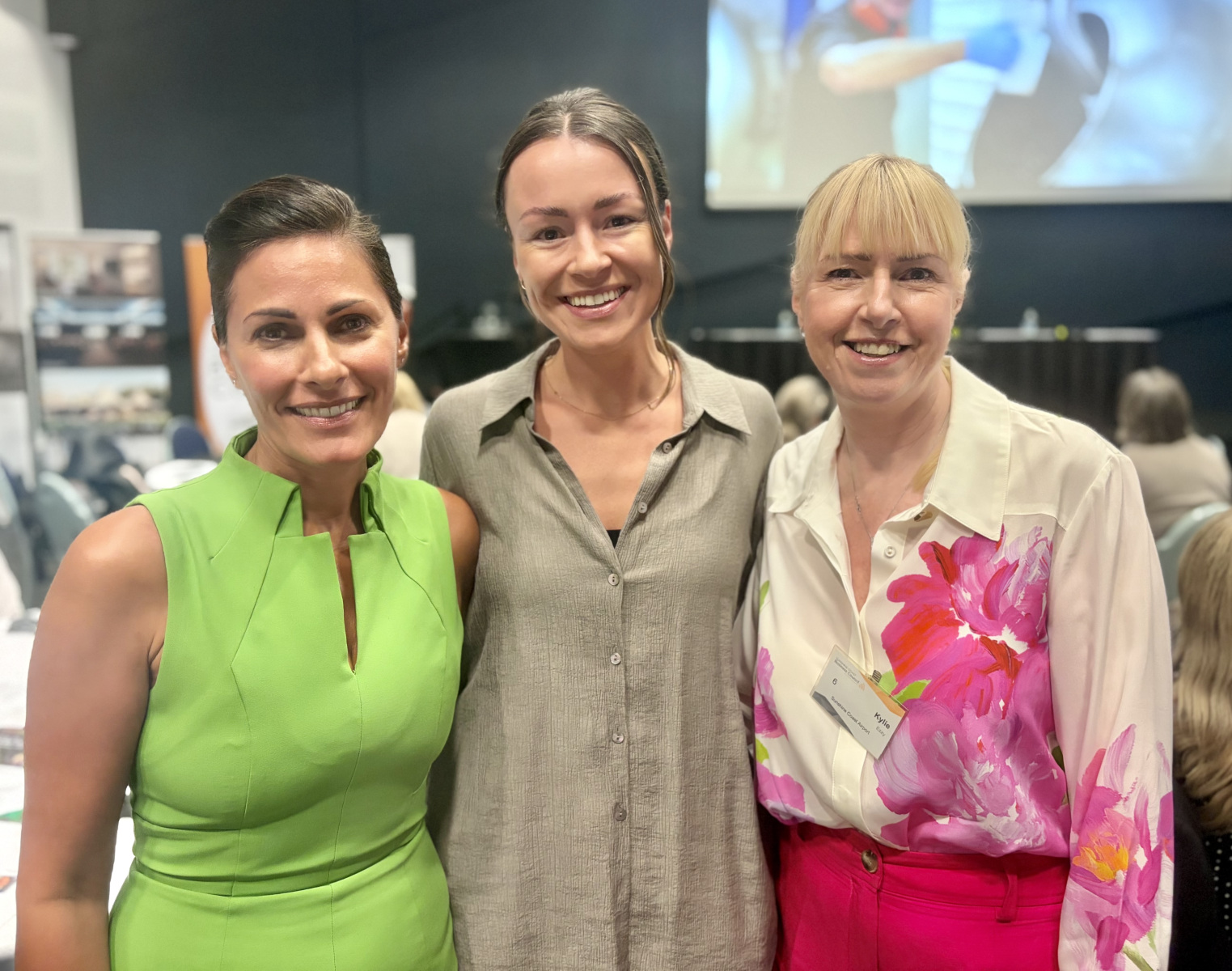
SCBC Chair Sandy Zubrinich said the conference was an important step in bringing together diverse perspectives to shape the region’s future.
“The calibre of speakers at this event reflects the importance of the conversation we need to be having as a region,” Ms Zubrinich said.
“Growth is coming ‒ the real question is how we manage it thoughtfully and collaboratively. This conference was about encouraging a mature, informed discussion on how we retain the essence and vibe of the Sunshine Coast, while planning for a future also that supports our communities, the economy and our environment.
“With continued growth forecast in the lead-up to the Brisbane 2032 Olympic and Paralympic Games, our state and local governments face increasing demand on planning frameworks and infrastructure delivery. The challenge is not just keeping pace with growth but doing so in a way that preserves distinctive urban identities we are so proud of on the Sunshine Coast, as well as our vibrant public spaces and the qualities that attracted residents, businesses and visitors here in the first place.”
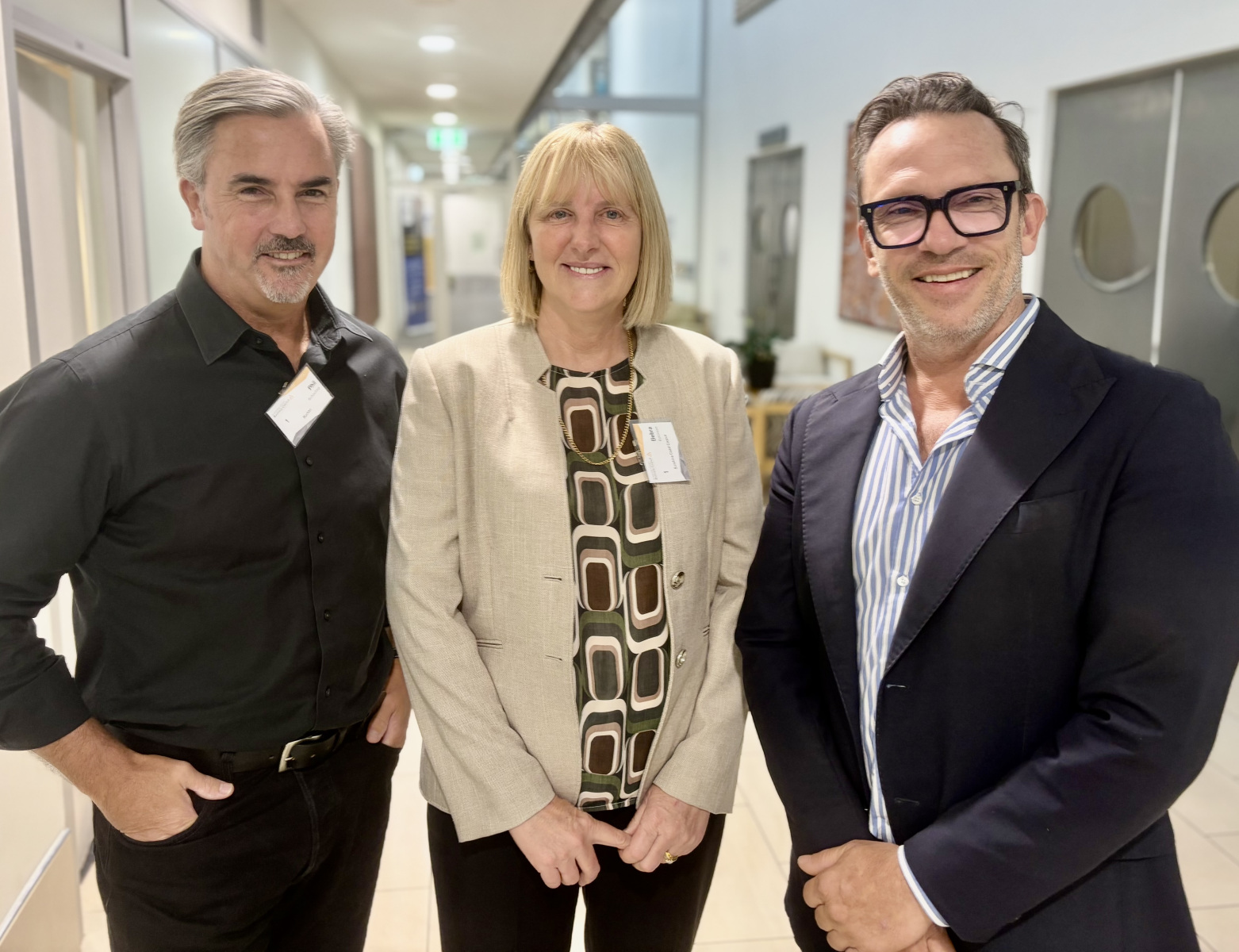
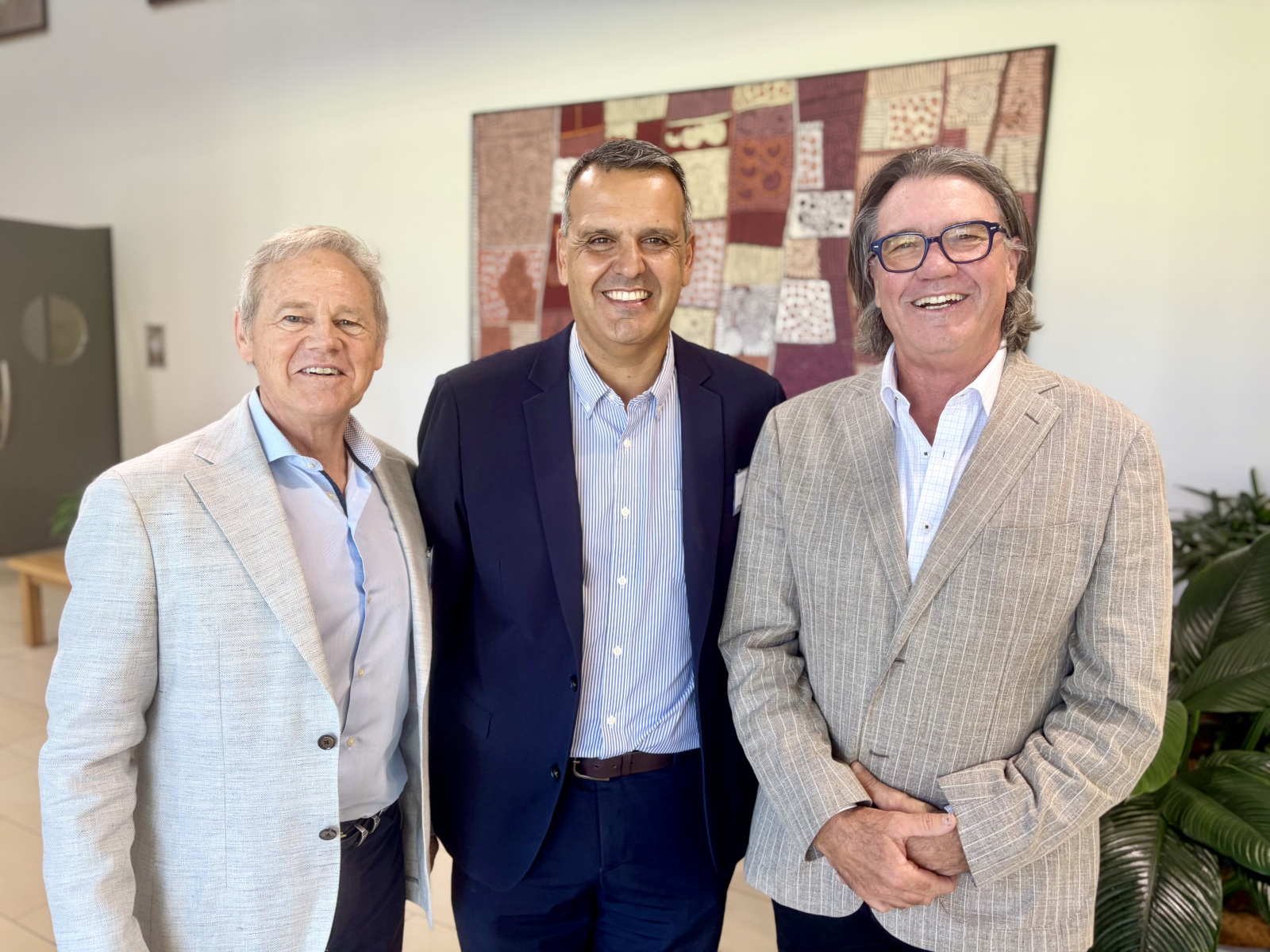
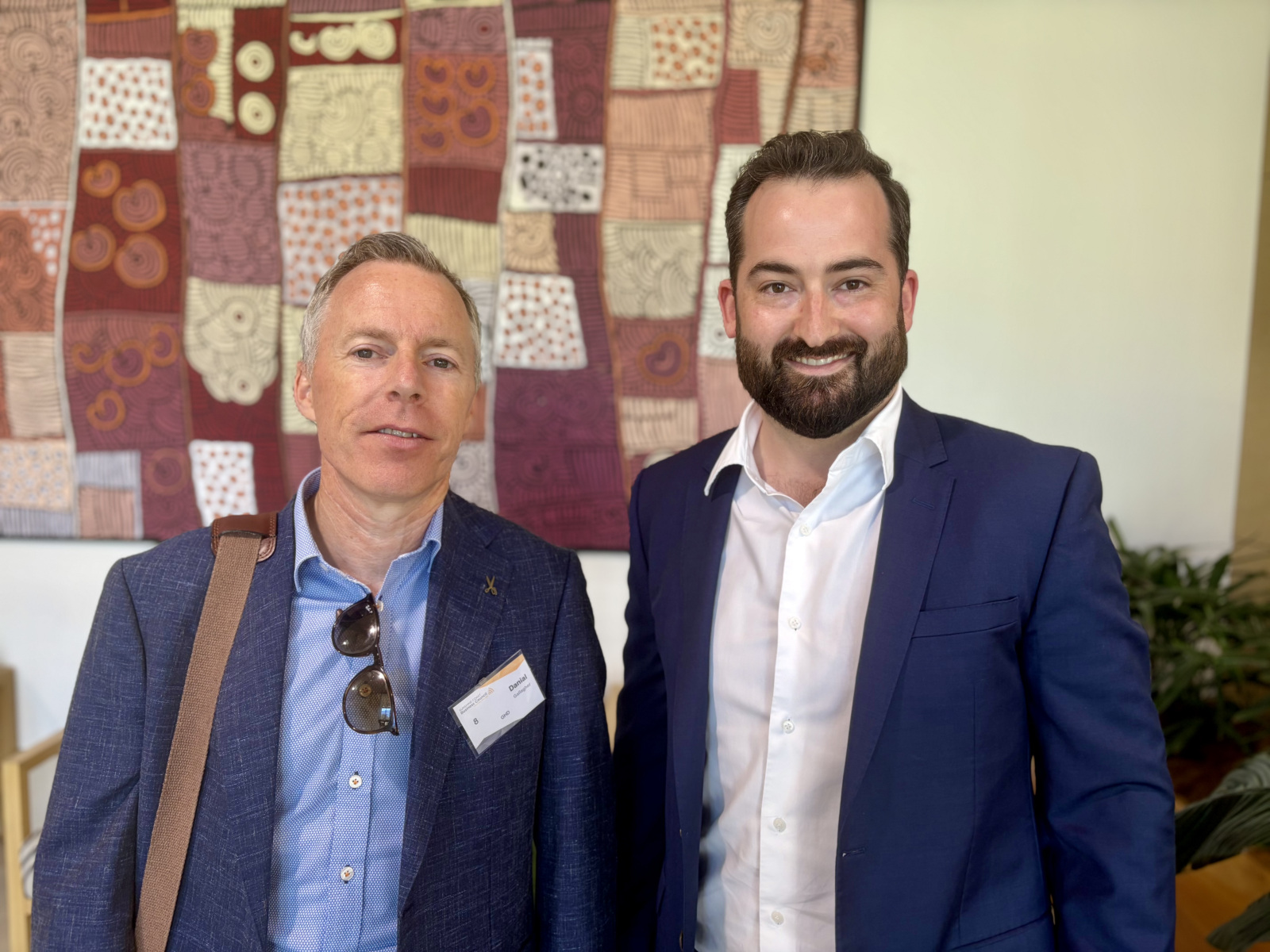
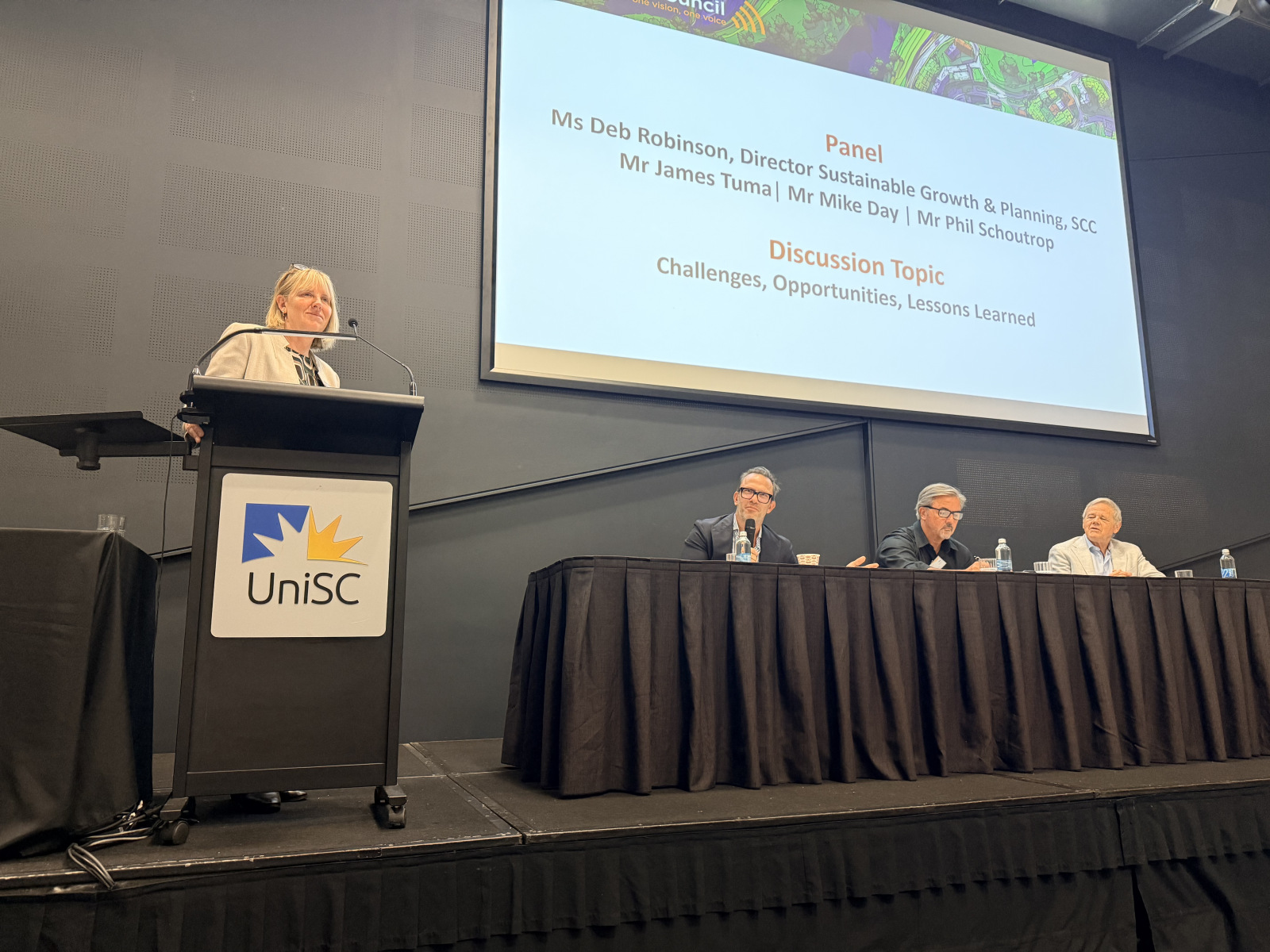
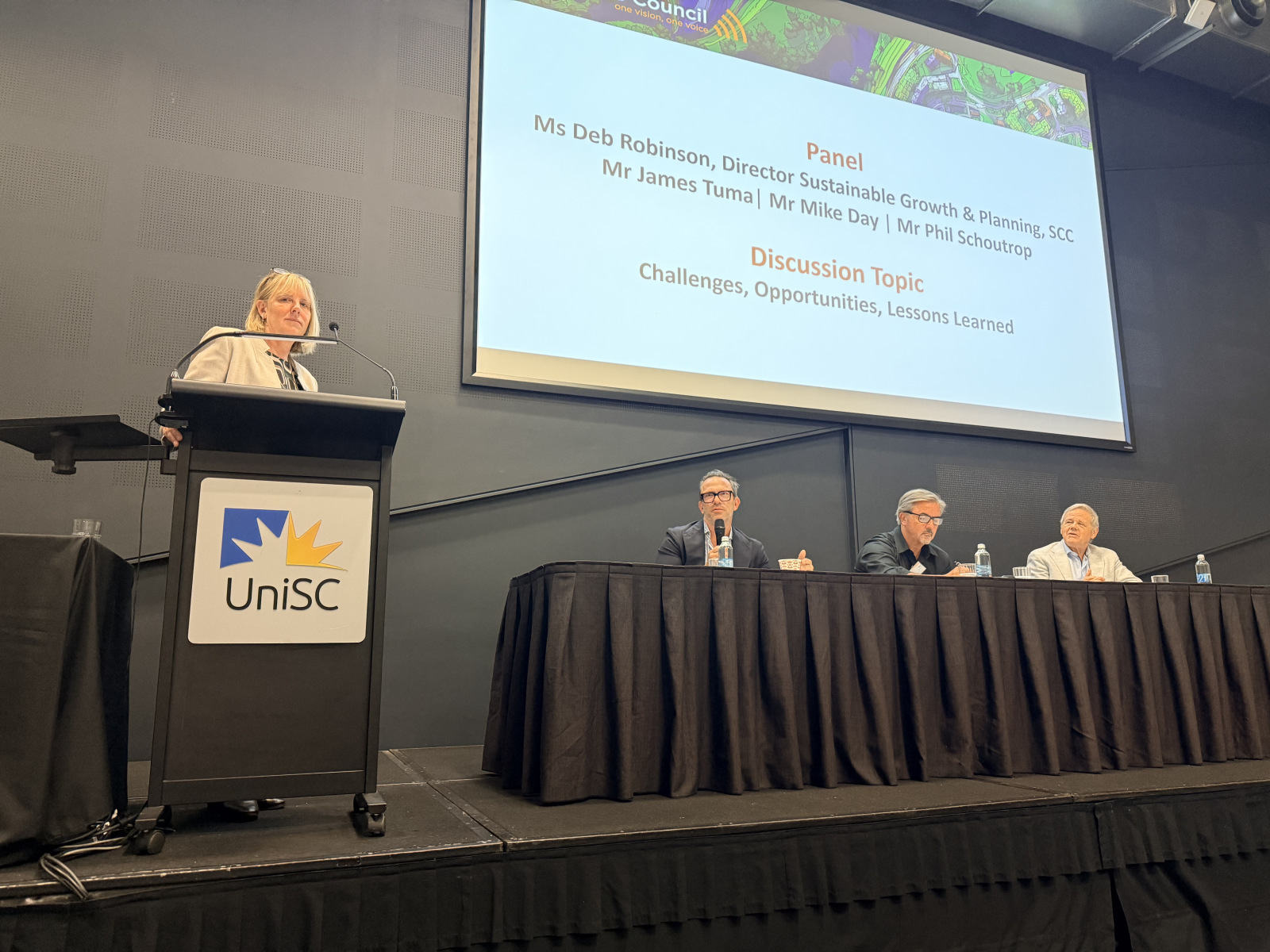
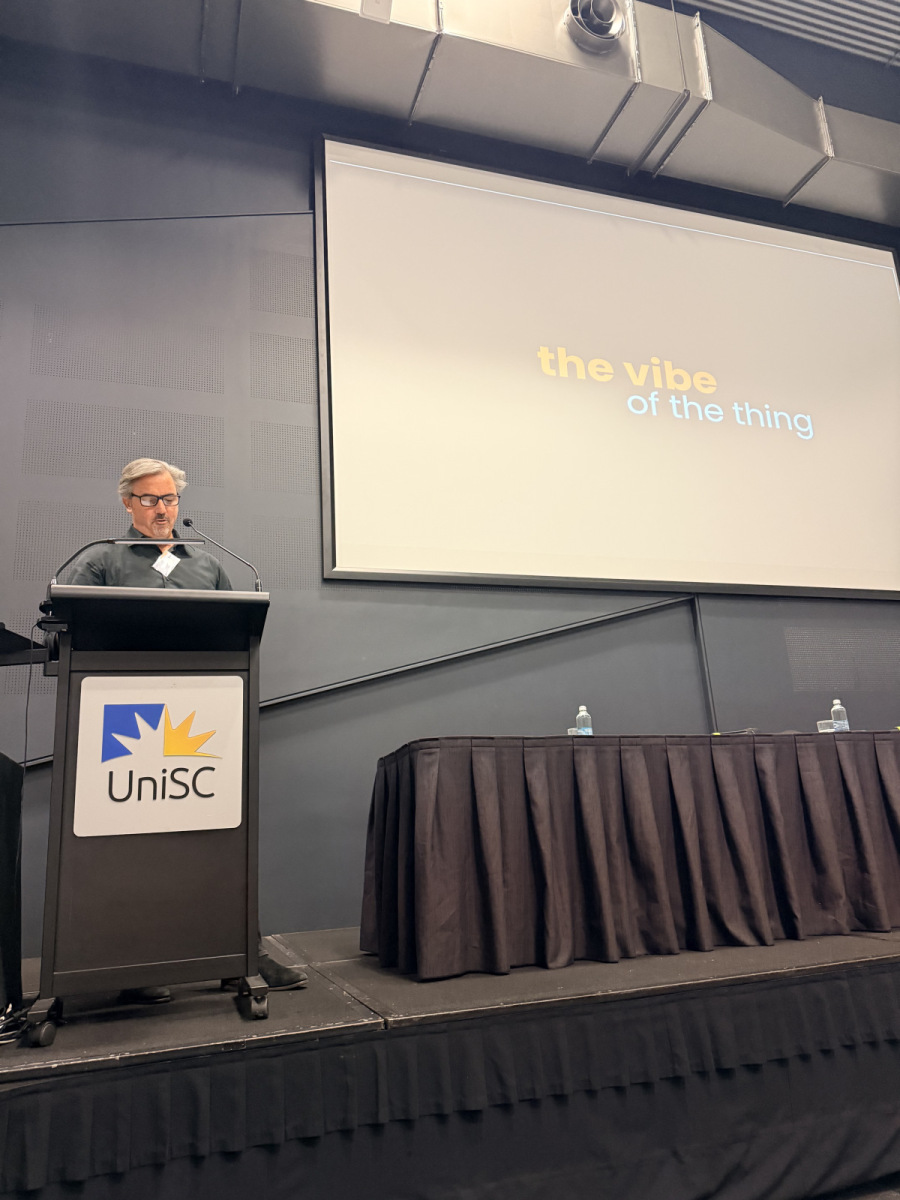
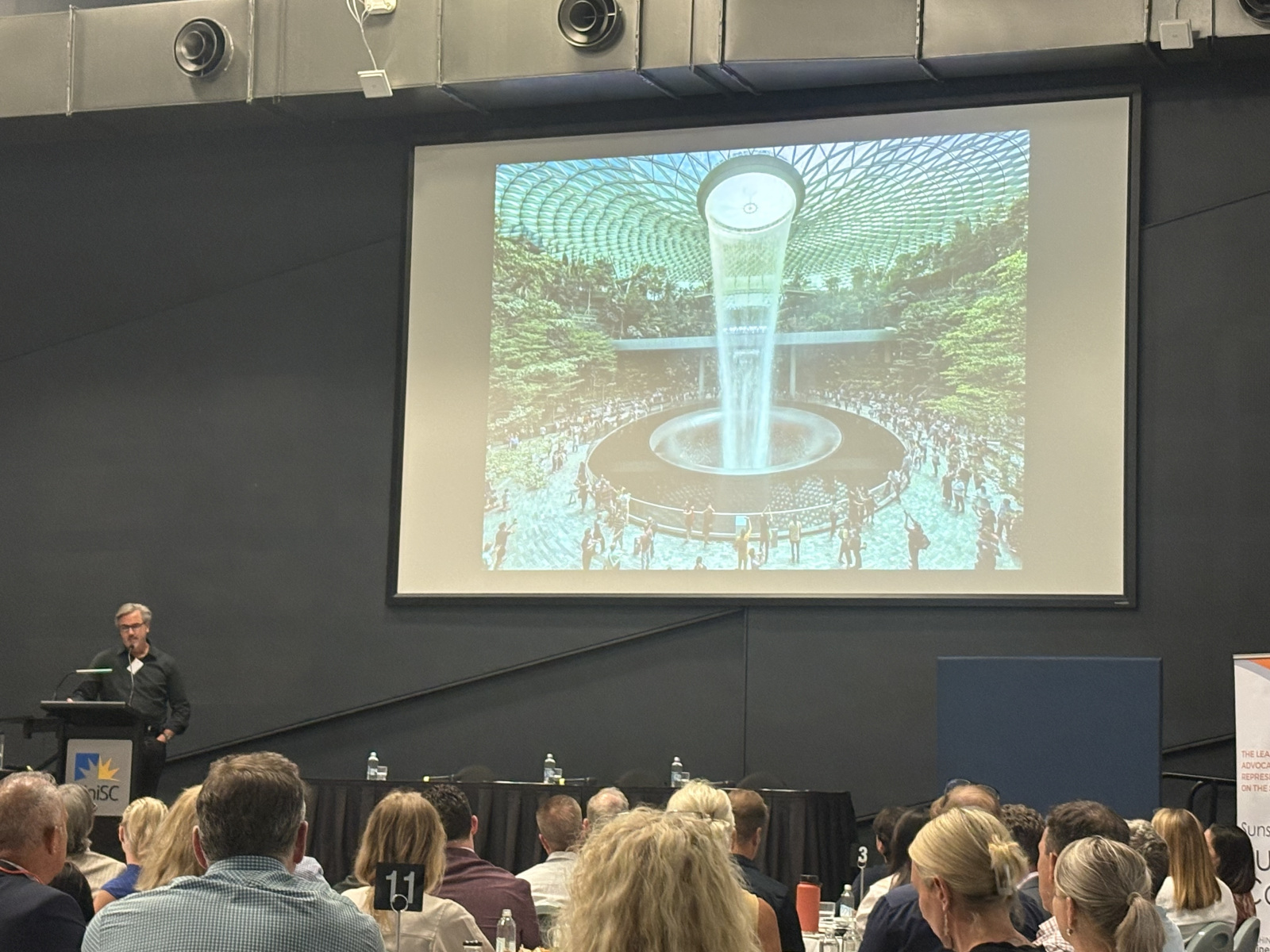
Opening remarks were delivered by Peter Saba, Group Executive, Development at Walker Corporation, followed by expert presentations exploring planning approaches for new and transforming cities, precincts and communities that protect unique urban identities. Speakers included James Tuma, Managing Partner of Urbis; Mike Day, Co-founder and Director of Sharp Day and Phil Schoutrop, Director and Sector Lead – Precincts for Buchan.
According to James Tuma, embracing change is unavoidable ‒ but how it is managed is critical.
“The reality is that no change is not an option,” Mr Tuma said.
“The places that succeed in the long term are not anti-growth ‒ they are pro-identity and disciplined enough to defend it. One of the key questions explored at the conference was how you capture the opportunity of growth and change without losing a clear sense of who you are as a region.
“There are strong global examples ‒ places like Boulder in Colorado, Malaga in Spain and Queenstown in New Zealand ‒ that have embraced growth while being very deliberate about protecting their identity.
“For the Sunshine Coast, the opportunity lies in clearly defining what matters most, investing in that identity, and welcoming growth in a way that strengthens it rather than dilutes it.”
Mike Day, Co-founder and Director of Sharp Day, said collaboration and local context were central to achieving successful outcomes.
“One of the most impressive aspects of this forum was the diversity and calibre of people in the room,” Mr Day said.
“These challenges can’t be solved in silos ‒ collaboration across industry, government and community is essential.
“We always look nationally and internationally for benchmark projects, but it’s equally important to locally calibrate those ideas. The Sunshine Coast’s natural setting is extraordinary, and our planning responses must respect and reflect that.
“We are strong advocates for mixed-use, walkable neighbourhoods and the early provision of transit, so people have real choices beyond car dependency. Walking and cycling should be the preferred modes, supporting health, wellbeing and strong communities and that philosophy aligns perfectly with what makes the Sunshine Coast such a special place to live.”
Phil Schoutrop said architects and designers don’t just create buildings, they create places for people, and it’s often the space between the buildings that matters most.
“Places without people don’t work ‒ they’re like a footy field with no game ‒ but when people feel comfortable spending time, playing and connecting in a place, they come back,” Mr Schoutrop said.
“Understanding the needs of the Sunshine Coast community is what turns those spaces into places where people genuinely want to be and that’s the opportunity we have here.”
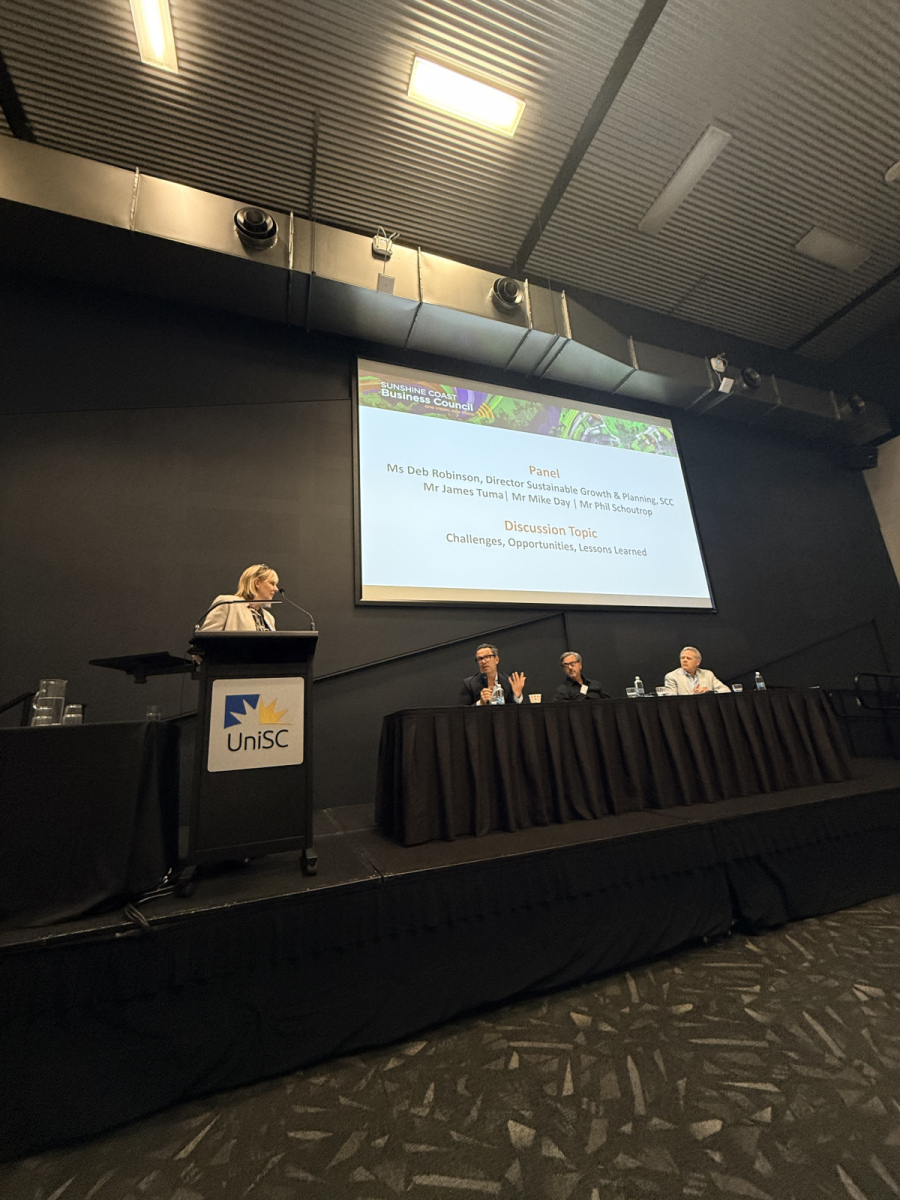
The speakers also participated in a panel discussion facilitated by Debra Robinson, Director Sustainable Growth and Planning at Sunshine Coast Council, exploring the challenges, opportunities and lessons learned from fast-growing regions across Australia and globally.
Closing remarks were delivered by Sunshine Coast Mayor Rosanna Natoli and Gympie Mayor Glen Hartwig, with approximately 100 industry and community leaders attending the event.
Sunshine Coast Business Council remains the peak business advocacy body on the Sunshine Coast, with membership spanning key national and regional industry groups and major private-sector employers across tourism, property, construction, retail, finance, telecommunications and professional services. Through this network the Sunshine Coast Business Council touches approximately 10,000 businesses.